
Coolant is essential for maintaining your engine’s temperature, but did you know that increased acidity in coolant can cause serious damage to your vehicle’s cooling system? Over time, coolant can become acidic due to contamination and chemical breakdown, leading to corrosion, leaks, and reduced cooling efficiency.
Negative Effects of High Coolant Acidity:
❌ Corrosion of Metal Components: Acidic coolant speeds up corrosion in radiators, water pumps, engine blocks, and hoses, leading to rust, leaks, and overheating.
❌ Damage to Rubber and Plastic Parts: Acidic fluid deteriorates seals, gaskets, and rubber hoses, causing leaks and loss of pressure in the cooling system.
❌ Reduced Heat Transfer Efficiency: Changes in coolant composition can decrease its ability to transfer heat, increasing the risk of engine overheating.
❌ Sediment and Deposits Formation: Acidic coolant can lead to sludge buildup in the radiator and cooling channels, restricting fluid circulation and causing system failure.
How to Check Coolant Acidity?
🔹 pH Test Strips: A quick and affordable way to measure acidity. Dip the strip into coolant and compare the color to the reference scale. A normal pH range is between 7.5–10.5.
🔹 Electronic pH Meter: Provides precise readings but requires calibration.
🔹 Professional Service Check: Many auto repair shops offer coolant diagnostics, ensuring your fluid meets the required standards.
Prevent Damage with Stainless Steel Hoses and a Coolant Acidity Tester!
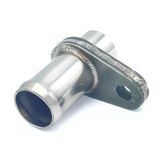
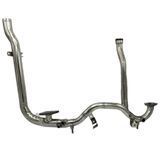
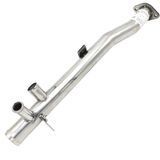
Using stainless steel coolant hoses prevents corrosion and degradation, ensuring a longer-lasting and more reliable cooling system. Unlike rubber or standard metal hoses, stainless steel components resist acidity and temperature changes, reducing the risk of leaks and failures.
To protect your engine, regularly test coolant acidity with our coolant pH tester – an easy-to-use tool that provides instant results. Don’t wait for costly repairs; keep your cooling system in top shape today!
👉 Check out our stainless steel hoses and coolant acidity testers now!